BLOG
Practical tips, tech insights and developer thoughts from the world of the modern web.
Here's the first post on the TerraCode blog: not reworded press releases, but what we actually use and try out ourselves.
OpenAI released GPT-6 Astra: superhuman-speed at computer use, but also the first of its own models to cross the 'Critical' cybersecurity risk threshold.
Anthropic released Fable 5.1 alongside a restricted-access sibling, Mythos 5.1: same headline pricing, but 75% cheaper cache reads and significantly stronger coding/research performance.
Google released 3.7 Flash just three weeks after 3.6 Flash: at an introductory price half the previous rate, tuned specifically for coding and agent workflows.
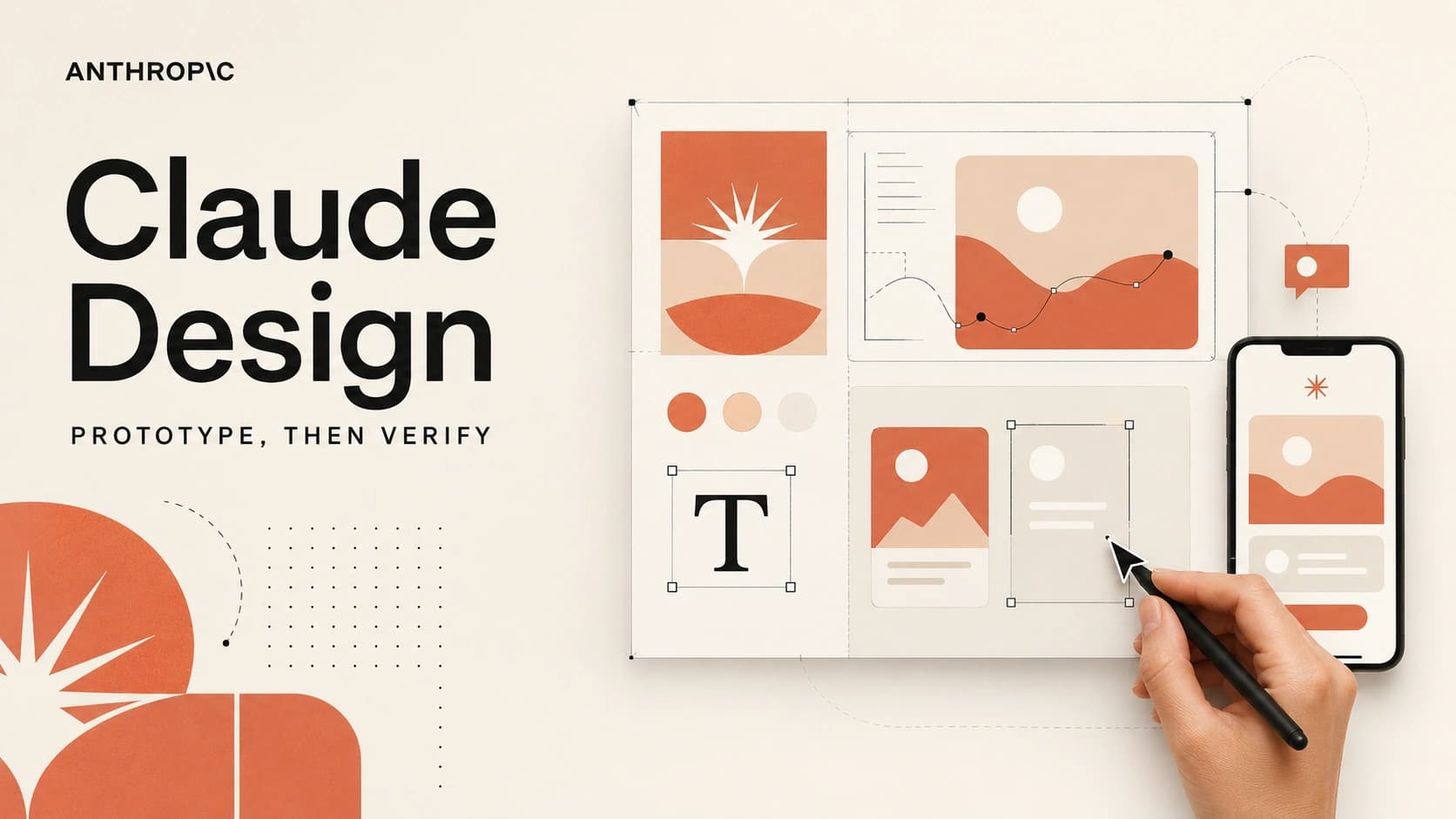
Anthropic shipped Claude Design in April, turning prompts into prototypes. We tried it on real TerraCode work, and found exactly where it stops, and where a designer has to take over.
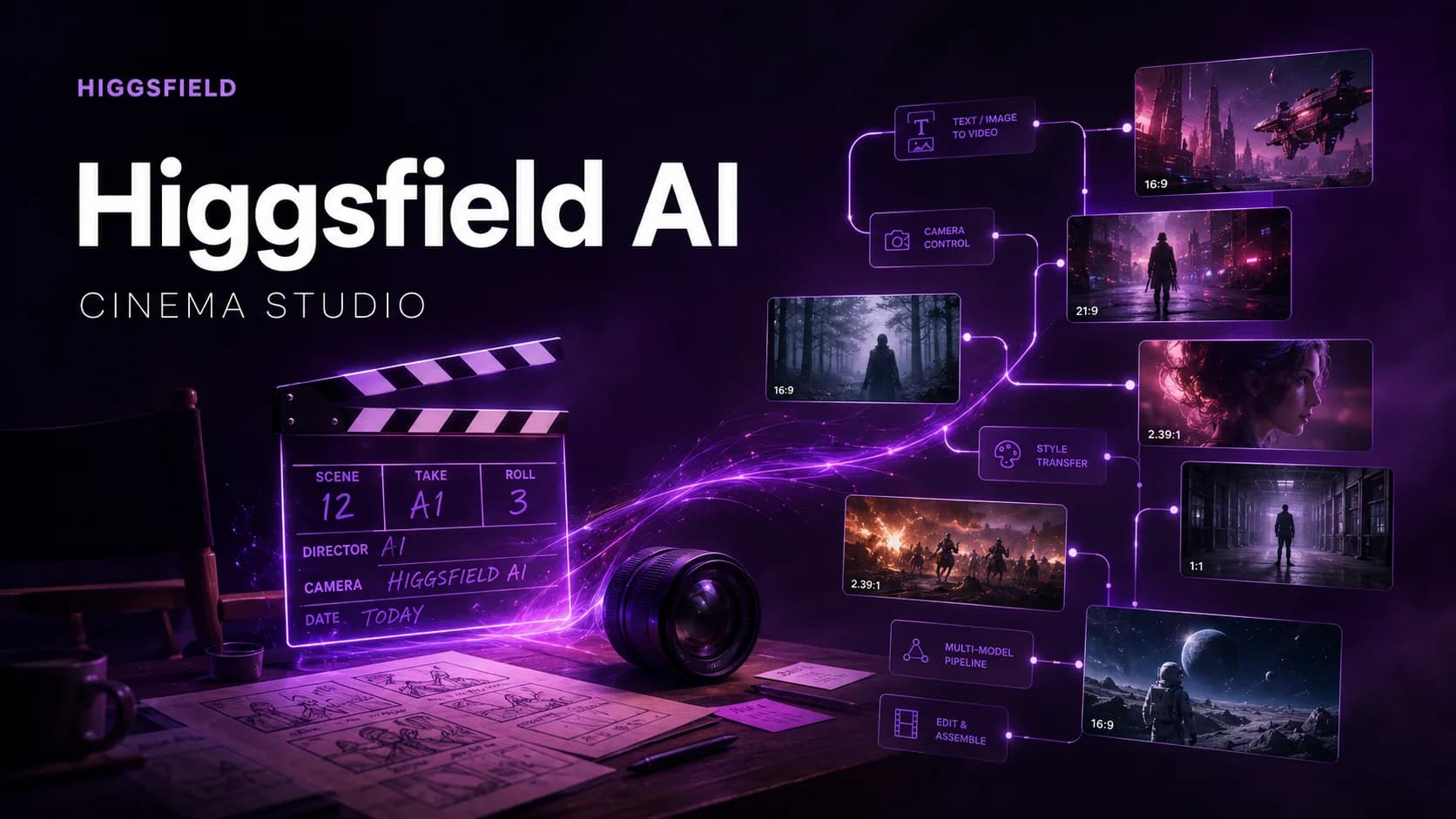
15+ video models in one subscription, from $15/month for 200 credits. We watched and reverse-engineered hours of real Higgsfield Cinema Studio workflows: here's what a business actually gets out of it.
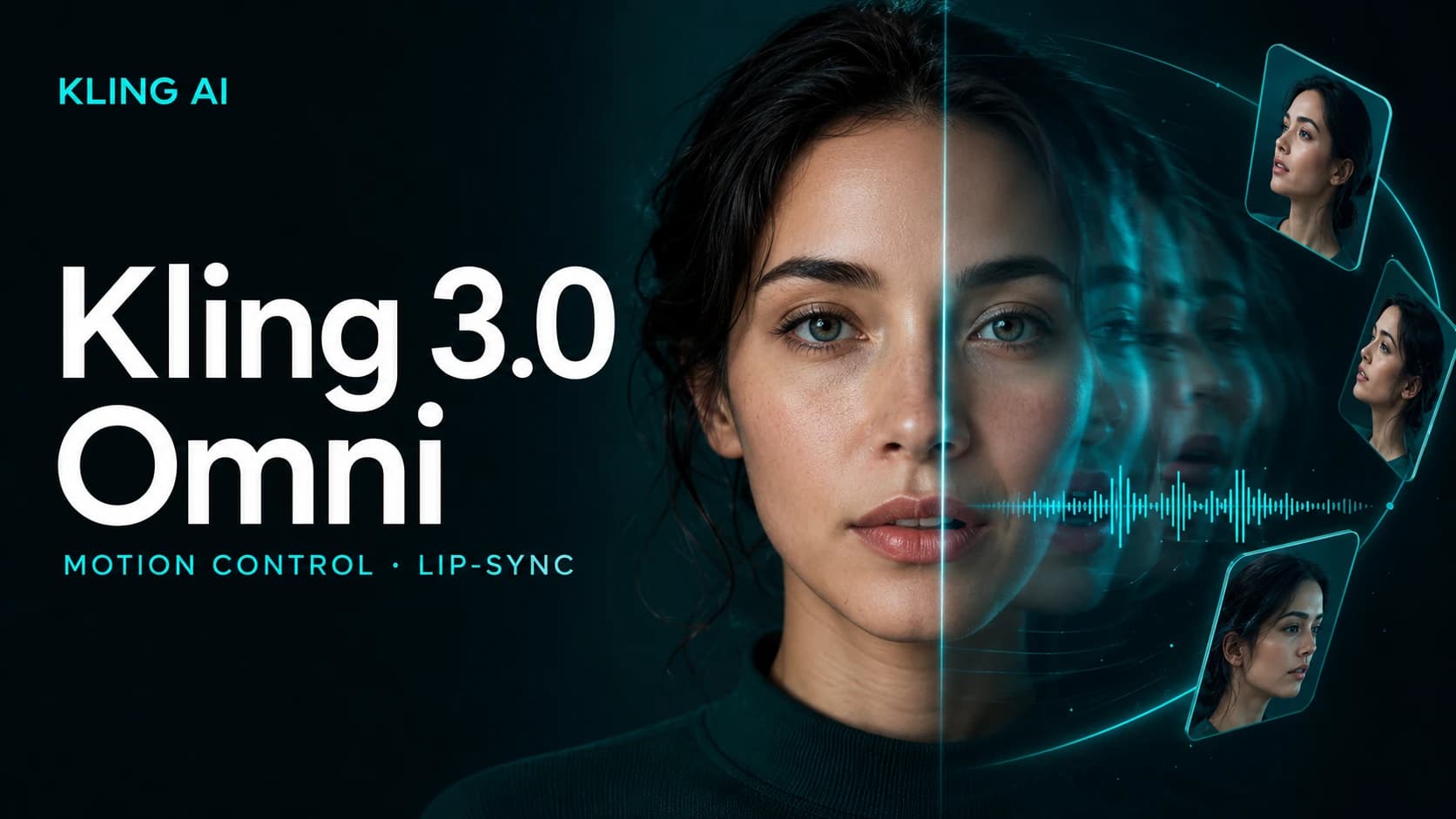
After Motion Control's viral explosion in early 2026, we looked at what Kling 3.0 Omni can actually do, and ran our own test with a real face. Including one serious misfire, and the fix that worked.
Design isn't what decides first: speed is. Five quick signs that your website is costing you more than it's bringing in.
Most quotes aren't lying, they just don't tell you everything. Here's how to read a website quote so you know what you're actually paying for.
From Gemini 3.1 Pro to Opus 5, the ten events that shaped the AI landscape the most this year, and what they mean in practice for a company's AI strategy.
AI doesn't replace the web developer, it changes the nature of the work. Let's look at what that means for your business's website.
Anthropic has released Claude Opus 5: intelligence close to Fable 5, roughly half the iteration rounds to solve a given task, at the same list price as…
A template looks cheaper, in the short term. In the long run, custom development is what gives you freedom, performance and a business edge. Here's why.
AI doesn't replace you, it helps, if you apply it in the right place. Here's how I build it into my workflow safely and effectively.
Google updated its workhorse-tier Flash model family: Gemini 3.6 Flash, 3.5 Flash-Lite, and a brand-new member, 3.5 Flash Cyber.
OpenAI released the GPT-5.6 model family (Sol, Terra, and Luna) with three-tier pricing and a new ChatGPT Work agent.
On July 8-9, 2026, OpenAI launched GPT-Live, the first fully duplex ChatGPT voice mode: one that listens and speaks at the same time, and can be interrupted, just like a real conversation.
On July 1, 2026, exactly 19 days after the government-mandated shutdown, Claude Fable 5 came back online globally, fitted with new safety classifiers.
Anthropic released Claude Sonnet 5, its new base model for the free and Pro tiers, and this was no ordinary version bump.
On June 12, 2026, something happened that used to be a purely theoretical risk: a US government export-control directive tried to cut off Claude Fable 5 and Mythos 5 from foreign nationals, and Anthropic could only comply by disabling both models for everyone.
Anthropic unveiled Claude Fable 5 and Mythos 5: the latter the first publicly named 'Mythos-class' model tier.
Around March 5-6, 2026, OpenAI released GPT-5.4 with native computer control, and this wasn't just another 'agentic' buzzword.
Google quietly shipped Gemini 3.1 Pro: no big launch show, just a silent update on the model list.
Got a question about a topic?